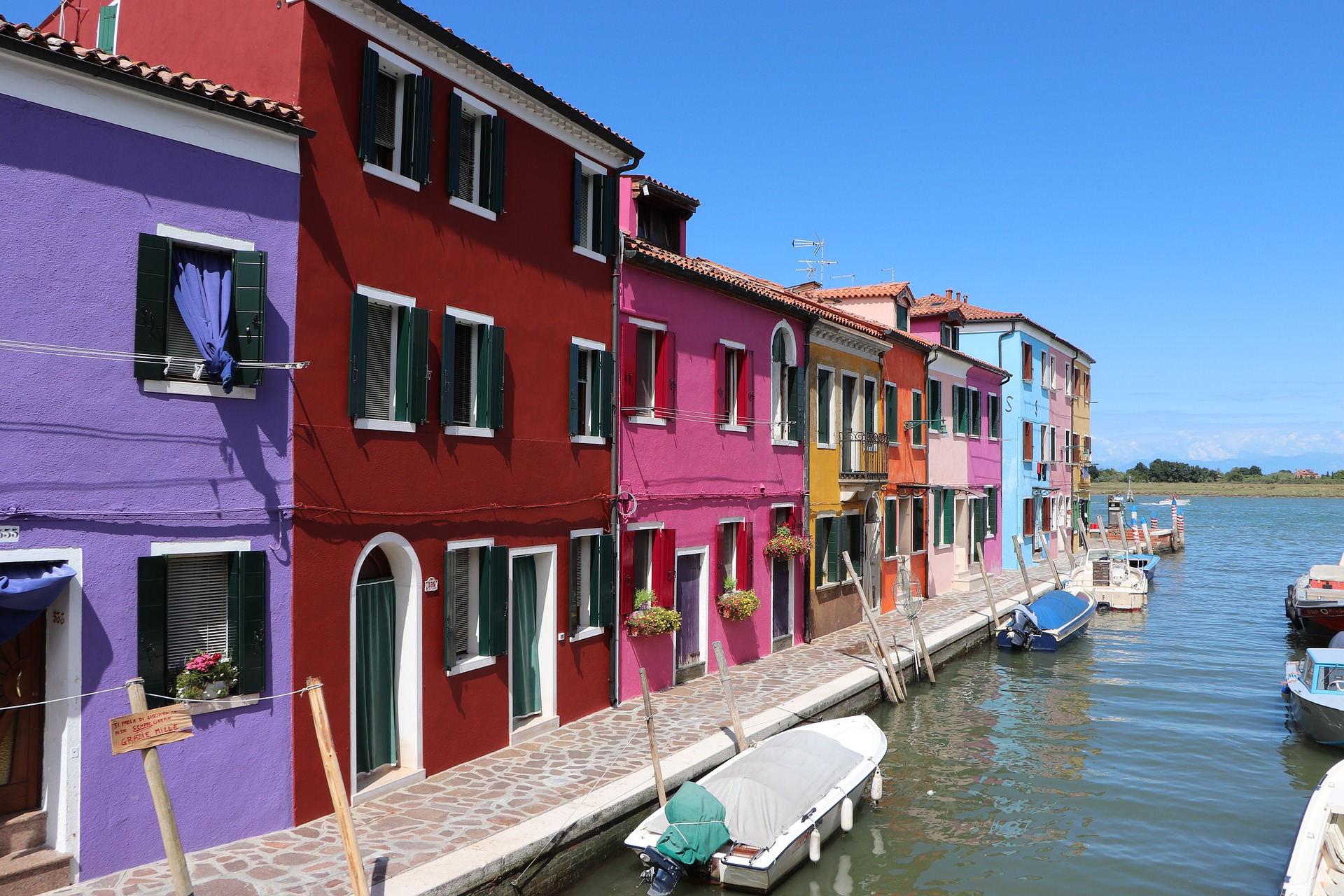
Murano is one of the easiest islands to visit from Venice and one of the few places whose name has become famous around the world because of a local craft. Located in the northern Venetian Lagoon, it is known above all for Murano glass, but the island is more than a collection of glass shops. It has its own canals, churches, old palaces, workshops and residential streets, and it feels noticeably calmer than central Venice.
A few hours are enough to see the main sights, although spending half a day on Murano gives you time to visit a real glass workshop, explore the museum and walk beyond the busiest shopping streets.
How Murano Began
Murano is not one solid island but a group of small lagoon islands divided by canals and connected by bridges. Its early history goes back to the settlement of the Venetian Lagoon, when people from mainland towns such as Altino and Oderzo moved towards the islands during periods of political instability and invasions. The settlement developed into an important community with trade, churches and its own local institutions.
For centuries Murano had a degree of independence from Venice and became wealthy enough to attract noble families. Villas and gardens once occupied parts of the island, while merchants and craftsmen lived around its canals. The event that changed Murano permanently, however, came at the end of the 13th century.
Why Murano Became the Island of Glass
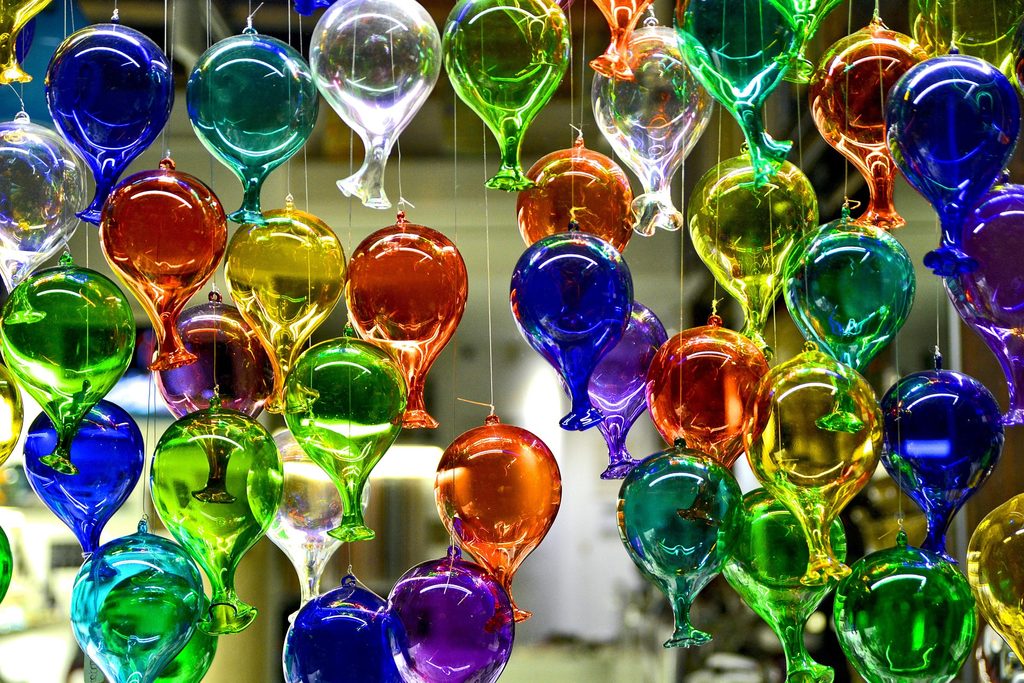
Glass was already being made in Venice before Murano became famous for it. In 1291, the Venetian authorities ordered glass furnaces to be moved from the main city to Murano. One practical reason was the danger of fire: medieval Venice contained many wooden buildings, while glass furnaces operated at extremely high temperatures.
Bringing the workshops together on one island also made the valuable industry easier to control. Over the following centuries, Murano’s glassmakers developed techniques for extremely clear glass, coloured glass, mirrors, beads, chandeliers and elaborate decorative objects. Knowledge was often passed within families and workshops, helping Murano become one of Europe’s most important centres of artistic glassmaking.
The tradition is still alive. Furnaces continue to operate on the island, and Murano glass ranges from inexpensive jewellery to large sculptures and unique pieces produced by internationally known artists and designers. Venice’s official tourism service describes glassmaking as a continuous Murano tradition since the late 13th century.
Why Visit Murano?
The main reason is the opportunity to see a working craft rather than only a finished souvenir. In a glass furnace, a craftsman can transform a glowing mass of molten glass into a vase, animal, drinking glass or sculpture within minutes. Even a short demonstration helps explain why handmade Murano glass costs much more than factory-made souvenirs.
Murano also offers a different atmosphere from San Marco or Rialto. Its canals resemble Venice on a smaller scale, but there is more space and usually less pressure to move through crowds. If you walk away from the main vaporetto stops and souvenir shops, parts of the island still feel like an ordinary lagoon neighbourhood.
Murano Glass Museum
The Museo del Vetro, or Glass Museum, is the best place to understand how the craft developed. It has occupied the former residence of the bishops of Torcello since the museum was founded in 1861, and its collection follows the history of glass from ancient objects to Renaissance masterpieces and modern Murano design.
The museum is especially useful after watching a glassblowing demonstration because it puts the techniques into historical context. Its collections include some of the finest examples of Murano glass produced over several centuries. As of 2026, the standard full-price ticket is €15.
Basilica dei Santi Maria e Donato
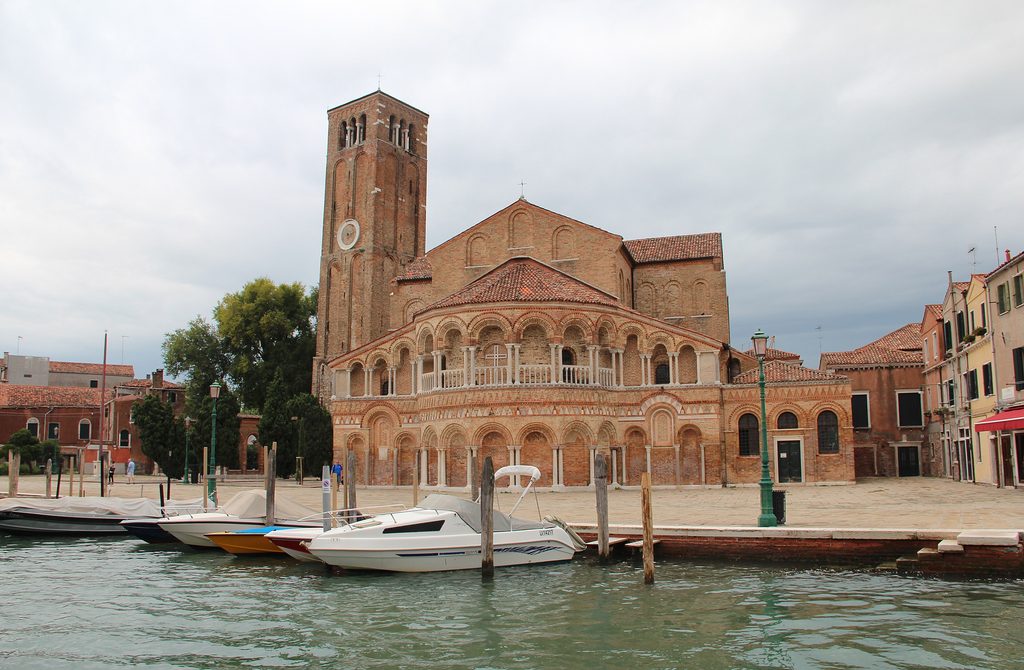
One of Murano’s most important sights has nothing to do with glass. The Basilica of Santi Maria e Donato is one of the oldest churches in the lagoon, with its present appearance largely shaped during the Middle Ages. It is particularly famous for its beautiful 12th-century mosaic floor.
Behind the altar are large bones traditionally described as those of a dragon killed by Saint Donatus. This is a religious legend rather than zoological history, but it has been connected with the church for generations. Even without the story, the basilica is worth seeing for its architecture, mosaics and quiet position beside the canal.
Jean-Pol GRANDMONT, CC BY 4.0 https://creativecommons.org/licenses/by/4.0, via Wikimedia Commons
Rio dei Vetrai and Murano’s Canals
Rio dei Vetrai, literally the Canal of the Glassmakers, is one of the best streets to walk on Murano. Historic workshop buildings, glass stores, small restaurants and bridges line the canal, making this the most obvious place to see how closely the island’s identity is connected with glass. Venezia Unica specifically recommends this area as the historic heart of Murano’s glass industry.
Continue towards the wider Grand Canal of Murano rather than turning back as soon as the shops end. The waterfront around Fondamenta dei Vetrai, Fondamenta Manin and Fondamenta Giustinian provides some of the island’s most attractive canal views.
Church of San Pietro Martire and Palazzo da Mula
The Gothic Church of San Pietro Martire stands close to the historic glassmaking quarter. It is easy to include during a walking route between the vaporetto stops and the central canals, and its quieter interior makes a pleasant contrast with the commercial streets nearby.
Nearby Palazzo da Mula is one of the reminders that Murano was once fashionable among wealthy Venetian families as well as craftsmen. Its Gothic façade faces the canal, and the building is one of the surviving historic palaces from a period when noble residences and gardens were much more common on the island.
Campo Santo Stefano
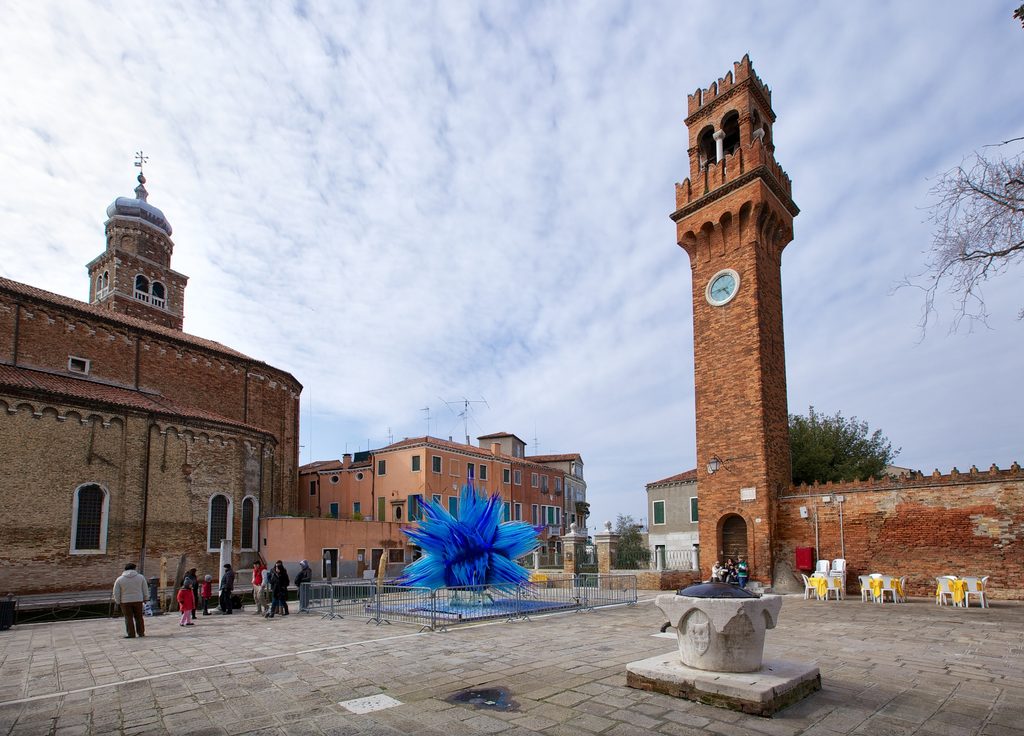
Another easy stop is Campo Santo Stefano, recognisable by its tall brick clock tower. A large contemporary glass sculpture in the square immediately connects modern Murano with its centuries-old craft tradition.
The square is also a useful place to stop for coffee before continuing towards the museum or basilica. From here, the island’s main sights are within a relatively short walk.
Sergey Ashmarin, CC BY-SA 3.0 https://creativecommons.org/licenses/by-sa/3.0, via Wikimedia Commons
Watching a Glassblowing Demonstration
Many visitors come to Murano specifically to watch glass being made. Some factories provide short demonstrations for free or for a small entrance fee, while others offer more detailed tours or workshops. A normal demonstration may show a master creating a small horse, vase or other object from molten glass.
Remember that a “free glass factory tour” may be designed mainly to bring visitors into a showroom afterward. There is nothing inherently wrong with this, but you are not obliged to purchase anything. If craftsmanship is your main interest, it is worth choosing a workshop or factory deliberately instead of accepting the first tour offered near the vaporetto stop.
How to Get from Venice to Murano
Murano is served by ACTV public water buses, and there are several stops around the island, including Colonna, Faro, Navagero, Museo, Da Mula and Venier. Which stop is best depends on what you want to see.
From Fondamente Nove, the journey is particularly short. Lines 4.1 and 4.2 reach Murano Colonna in roughly 9 minutes, while Line 12 also connects Fondamente Nove with Murano before continuing towards islands such as Burano.
From Venezia Santa Lucia railway station, Line 3 is one of the most convenient choices. Current ACTV schedules show the trip from Ferrovia to Murano Colonna taking about 17 minutes, with the boat continuing to other Murano stops such as Faro, Navagero and Museo.
From the San Marco area, Lines 4.1 and 4.2 provide connections around the lagoon, although the trip is longer. In the summer timetable, Line 7 can also operate directly between San Marco–San Zaccaria and Murano, taking roughly 25–30 minutes; because this service is seasonal, check the current ACTV timetable before relying on it.
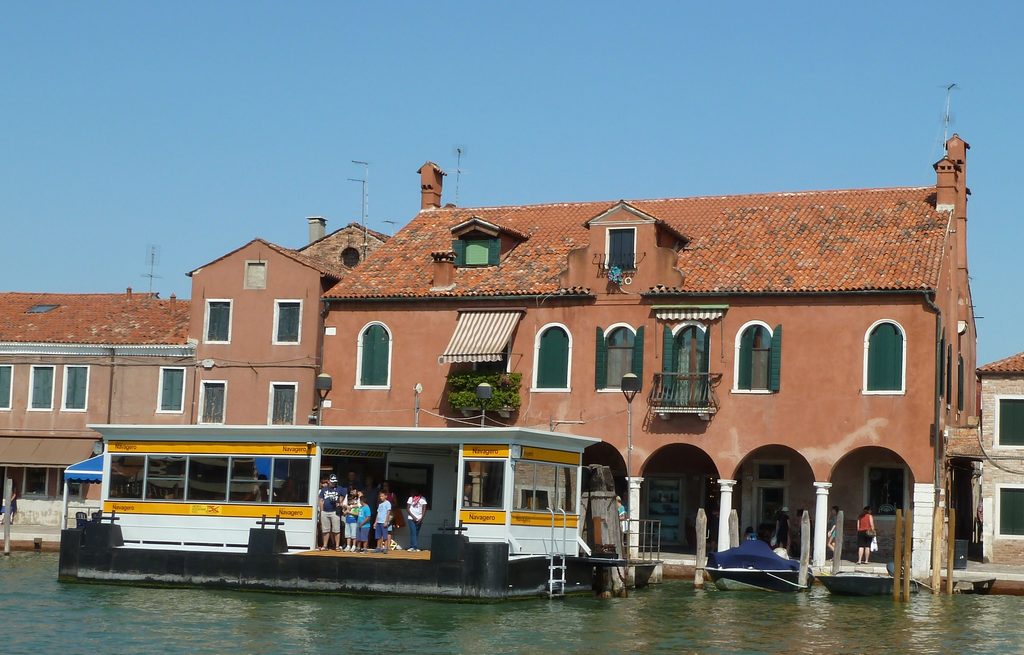
How to Get Back from Murano to Venice
Returning is just as simple, but check the destination before boarding because several routes leave from the same Murano stops.
For Santa Lucia station or Piazzale Roma, Line 3 is normally convenient during its operating hours. For Fondamente Nove and other parts of Venice, Lines 4.1 and 4.2 provide frequent connections. Murano also has a night service to Fondamente Nove, so staying for dinner does not necessarily mean you need a private boat.
If you plan to continue to Burano or Torcello instead of returning immediately to Venice, Murano Faro is particularly useful because Line 12 continues farther into the northern lagoon.
How to Buy Real Murano Glass
Not every object labelled “Murano style” or sold on Murano was necessarily made there. Cheap imported products have been a problem for the local industry for years, so buyers looking for genuine local production should pay attention to the manufacturer rather than simply the location of the shop.
The official Vetro Artistico® Murano mark is backed by the Veneto Region and identifies artistic glass produced on Murano by authorised manufacturers. Certified items can carry a numbered, traceable label with a Data Matrix code.
For an expensive purchase, ask who made the piece, whether it was produced on Murano and whether documentation is provided. Serious galleries and workshops should be able to explain the artist, factory and technique rather than simply saying that an object is “Venetian glass”.
How Much Time Do You Need on Murano?
Allow three to four hours if you want to see a glass demonstration, visit the Glass Museum and walk through the central part of the island. Two hours is possible, but it can feel rushed, especially if you spend time inside a furnace or museum.
Half a day is better if you want to explore the quieter canals, visit the basilica and stop for lunch. Murano can also be combined with Burano and Torcello in one full day, although doing all three islands means spending less time in each.
When Is the Best Time to Visit Murano?
Morning is generally the best period. Arriving before the main organised tours gives you quieter canals and more comfortable access to workshops and museums. Later in the afternoon, many day visitors begin returning to Venice, and Murano becomes noticeably calmer again.
Staying until early evening offers another advantage: the island starts to feel less like a tourist excursion and more like a real Venetian neighbourhood. The canals become quieter, shops close, residents return home and the lagoon light can be especially beautiful.
Is Murano Worth Visiting?
Yes, particularly if you are interested in Venetian history, crafts or simply want a break from the busiest parts of Venice. Watching glass being shaped inside a working furnace gives context to an industry that has influenced Murano for more than seven centuries.
The island is also close enough that visiting does not require a major change to a Venice itinerary. In around 20 minutes by public transport, you can leave the crowds of central Venice and enter a place with its own history, architecture and identity — and one of Europe’s most remarkable living craft traditions.