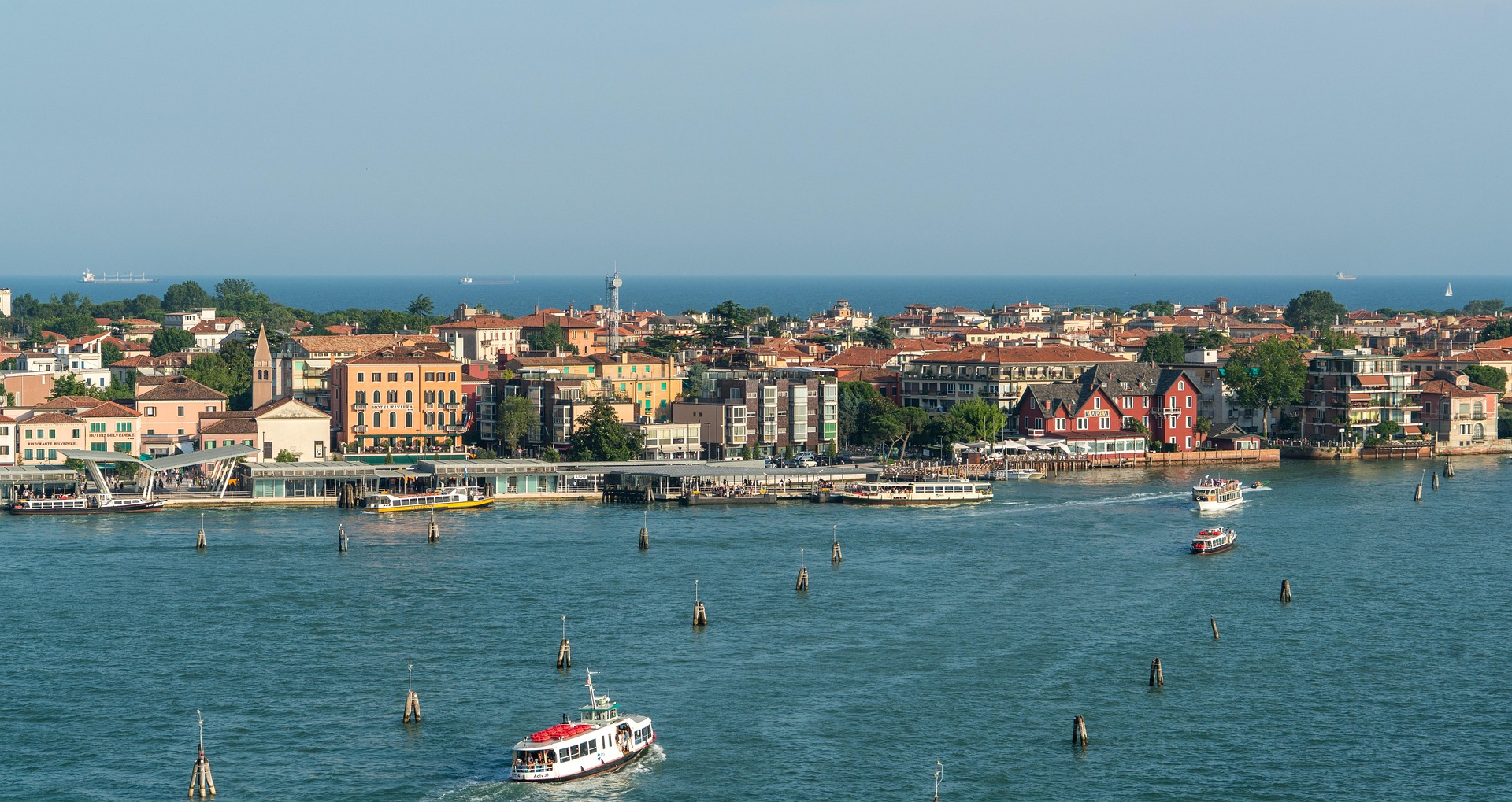
Lido di Venezia is the seaside side of Venice. The long, narrow island separates much of the Venetian Lagoon from the Adriatic Sea and offers something the historic centre cannot: sandy beaches, tree-lined streets, bicycles, cars and spacious Art Nouveau villas.
Many visitors know Lido because of the Venice Film Festival, but the island is worth visiting even when there are no celebrities on the red carpet. You can spend the morning swimming, explore an old lagoon village in the afternoon and still be back in central Venice for dinner. For detailed transport information, see our separate guide on how to get from Venice Santa Lucia Train Station to Lido.
A Short History of Venice Lido
People lived in this part of the lagoon long before Lido became a fashionable beach resort. Malamocco, in the southern half of the island, developed from an ancient lagoon settlement and served as an important port connected with the mainland. The northern area around San Nicolò later became important for Venice’s military defence and its connections with the Adriatic Sea.
The character of Lido changed dramatically during the second half of the 19th century. Sea bathing became fashionable, beach facilities appeared, and wealthy Venetians and foreign visitors began spending their summers on the island. By the early 20th century, Lido had become one of Europe’s glamorous seaside resorts.
Grand hotels and elegant villas from this period still define parts of the island. Hotel Des Bains opened in 1900, Hotel Excelsior followed in 1908, and numerous villas were built in the Italian Liberty, or Art Nouveau, style.
Why Is Lido Famous?
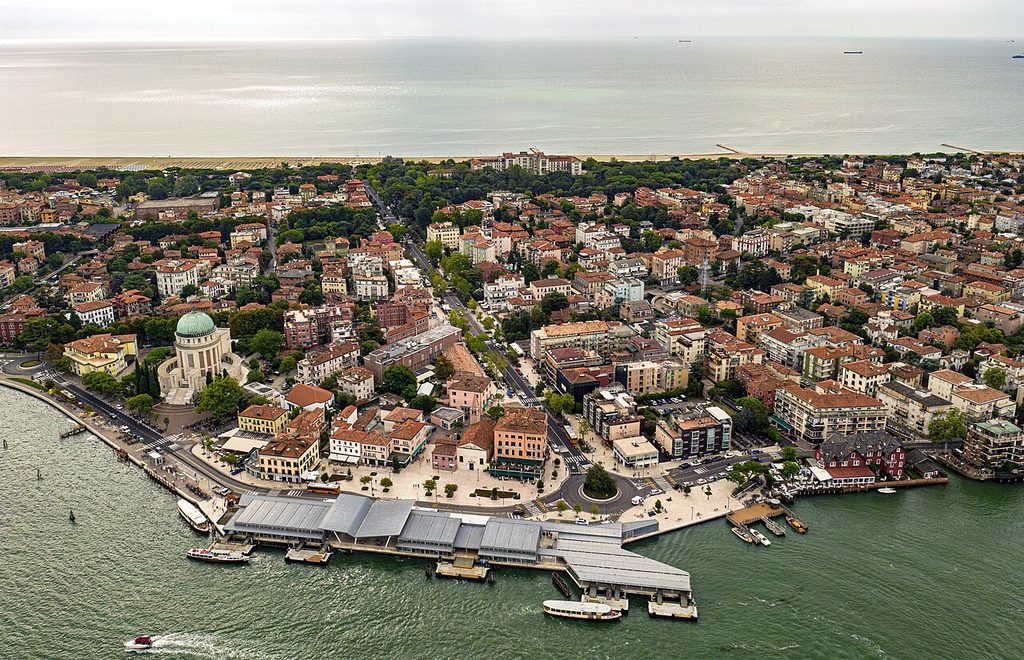
Lido is famous for two things that seem very different but work surprisingly well together: beaches and cinema.
Its Adriatic coast has a long line of sandy beaches, from fully equipped private establishments with sunbeds and traditional beach huts to free stretches of sand surrounded by dunes. The generally shallow sandy seabed also makes many central beaches popular with families.
Then, at the end of summer, Lido becomes one of the centres of the international film world. The Venice International Film Festival has been connected with the island since its first edition in 1932. In 2026, the 83rd festival takes place from 2 to 12 September, with its main events centred around the Palazzo del Cinema.
The Beaches of Venice Lido
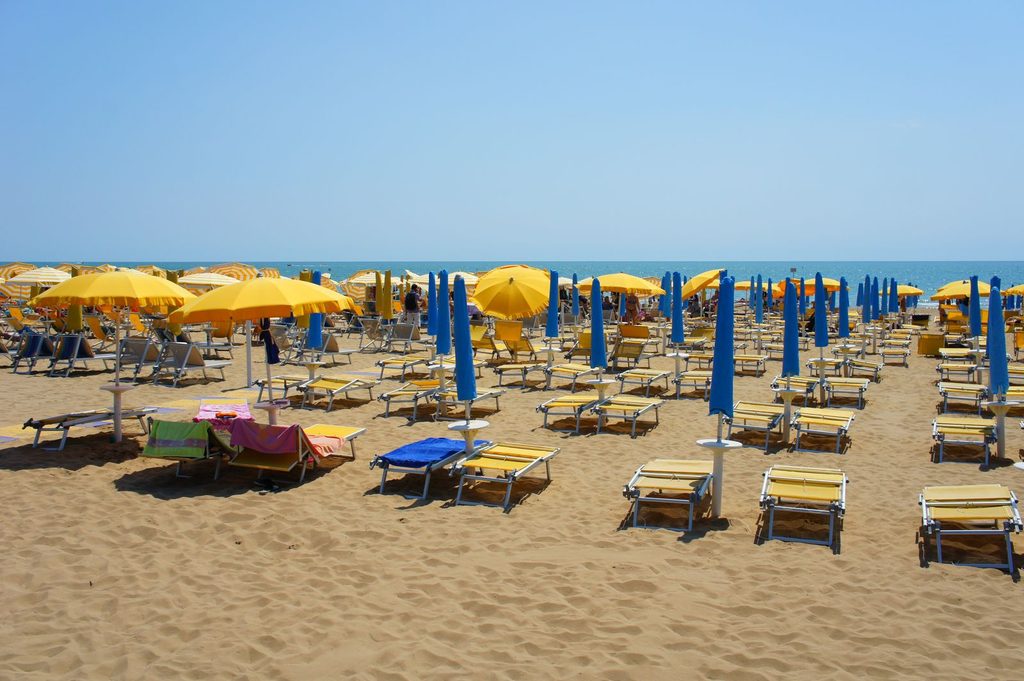
The easiest beach experience is found in the central part of the island. Bluemoon Beach has golden sand, facilities and easy access to cafés and restaurants, making it a practical choice for visitors who want to combine Venice sightseeing with a few hours by the sea.
Along the coast are traditional beach establishments where visitors can rent umbrellas, loungers and the characteristic Lido beach cabins. Some of these capanne are almost like small summer rooms and have been part of Lido’s beach culture for generations.
If you prefer a more natural landscape, travel farther south to Alberoni. Here the organised resort atmosphere gives way to wide beaches, dunes, vegetation and protected natural areas.
Hotel Excelsior and the Golden Age of Lido
Few buildings represent the glamorous history of Lido better than Hotel Excelsior. Opened in 1908, the hotel combines Moorish, Venetian and other architectural influences in a huge seaside complex overlooking the Adriatic.
The first Venice Film Festival was held on the hotel’s terrace in 1932. Over the following decades, the Excelsior became closely associated with actors, directors, writers and international celebrities arriving for the festival.
Nearby stands the former Hotel Des Bains, another symbol of Lido’s golden age. The hotel also became famous through Thomas Mann’s Death in Venice and Luchino Visconti’s film adaptation.
Venice Film Festival and Palazzo del Cinema
The Palazzo del Cinema on Lungomare Marconi is the modern heart of the Venice International Film Festival. During the festival, this section of Lido changes completely as journalists, photographers, cinema professionals and fans gather around the red carpet.
The Palazzo del Cinema opened in 1937, while the neighbouring Palazzo del Casinò is also used for festival activities. Outside festival season, the area is much quieter and you can easily walk around the buildings and seafront.
If cinema is the main reason for your trip, early September is the obvious time to visit. If you would rather enjoy beaches and architecture without festival crowds and high accommodation prices, choose another period.
Cycling Around Lido
Lido is one of the best places around Venice to explore by bicycle. Unlike the historic centre, it has normal roads and long flat routes, so cycling is easy even if you are not an experienced rider.
A good route starts in central Lido and continues south through Malamocco towards Alberoni. You can stop at beaches, residential areas and lagoon viewpoints along the way.
Bicycle rental is available on the island, and cycling is especially pleasant in spring and early autumn when temperatures are comfortable. It is also one of the easiest ways to see parts of Lido that most day visitors never reach.
What Is Different About Lido Compared with Venice?
The biggest surprise for many first-time visitors is that Lido has cars, buses and bicycles. The historic centre of Venice has no normal road traffic, while Lido functions much more like an ordinary Italian seaside town.
The atmosphere is also more relaxed. There are supermarkets, gardens, residential neighbourhoods and beach clubs, and many Venetians come here simply to spend time by the sea rather than to visit monuments.
This makes Lido a practical place to stay for travellers who want to see Venice without spending every hour inside its busiest streets.

If Venice is just the starting point for your trip through Italy, or if you need an international driver’s license right away, take advantage of the offer from our partner, IDA Office*.
*This link contains an affiliate ID.
When Is the Best Time to Visit Lido?
For a beach holiday, June to September offers the warmest conditions and the widest choice of open beach facilities. July and August are the busiest and hottest months, while June and early September usually provide a better balance between warm weather and manageable crowds.
Spring is ideal for cycling, architecture and long walks, even when it is still too cool for swimming. September is particularly interesting because beach weather can continue while the Venice Film Festival brings a completely different atmosphere to the island.
Winter is quiet and many beach businesses close, but the almost empty waterfront has its own charm. It is a good period if your main interest is walking and seeing a less tourist-oriented side of Venice.
How Long Should You Spend on Lido?
A few hours are enough if you simply want to see the central area and spend some time on the beach. For a more interesting visit, allow a full day and include Malamocco or Alberoni instead of staying only around Gran Viale.
Lido also works well for several nights. Staying here lets you combine a beach holiday with daily trips into historic Venice without having to choose between the two.